








Advantages of Steel Plank in Scaffolding Systems
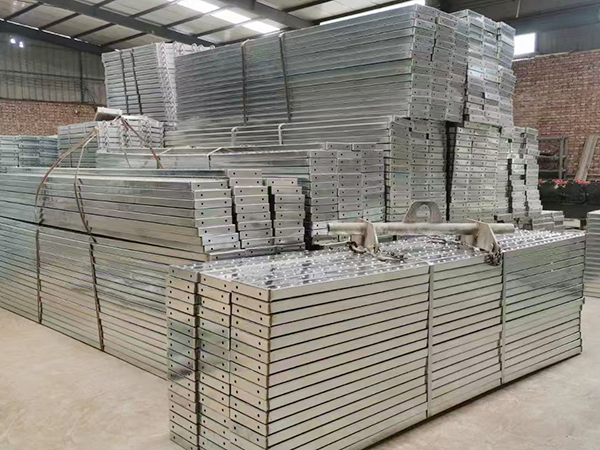
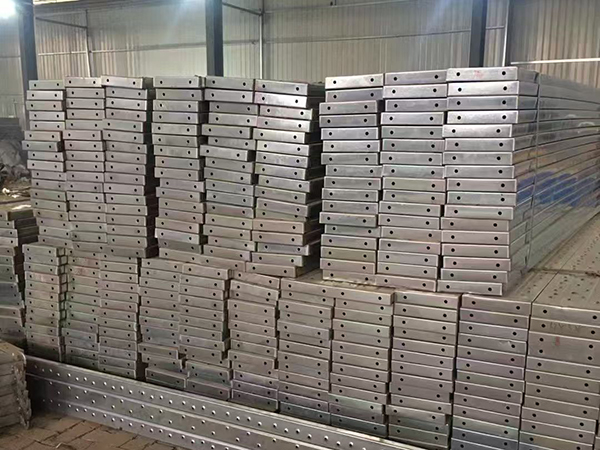
Modern scaffolding systems increasingly rely on Steel Plank products because of their durability, safety performance, and long-term cost efficiency.
Compared with traditional wooden boards, steel planks provide higher strength and improved resistance to moisture, fire, and deformation.
Superior Load Capacity
A major advantage of Steel Plank systems is their excellent load-bearing performance.
High-strength steel materials allow planks to support heavy construction loads while maintaining structural stability. This is especially important in high-rise construction and industrial maintenance projects.
Improved Safety Performance
Construction safety remains a top priority on modern jobsites.
Anti-slip surface designs help Steel Plank products provide better traction for workers under wet or dusty conditions. Fire resistance is another important safety advantage compared with timber planks.
Corrosion Resistance
Hot dip galvanized Steel Plank systems offer strong protection against corrosion and environmental exposure.
The galvanized surface reduces rust formation and extends service life, making steel planks suitable for outdoor and marine construction environments.
Reusability and Cost Efficiency
Unlike wooden boards that degrade quickly, a high-quality Steel Plank can be reused for multiple construction cycles.
This longer lifespan reduces replacement costs and improves overall project efficiency for contractors.
Conclusion
The Steel Plank has become an essential component in modern scaffolding systems because of its strength, safety, and durability.
For construction companies seeking long-term reliability and reduced maintenance costs, steel plank systems provide a practical and cost-effective solution.
References
Construction Safety Engineering Handbook
Scaffolding structure design studies
OSHA scaffold safety requirements
Galvanized steel corrosion resistance research
Industrial scaffolding materials engineering publications