








British Type Scaffolding Coupler vs Pressed Coupler
The British Type Scaffolding Coupler is widely used in construction scaffolding systems because of its strength, durability, and compliance with international safety standards.
Compared with pressed couplers, forged British couplers generally provide better load-bearing performance and longer service life in demanding construction environments.
What Is a British Type Scaffolding Coupler?
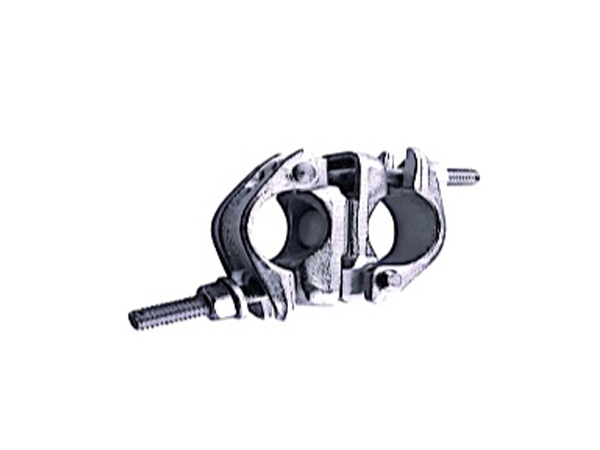
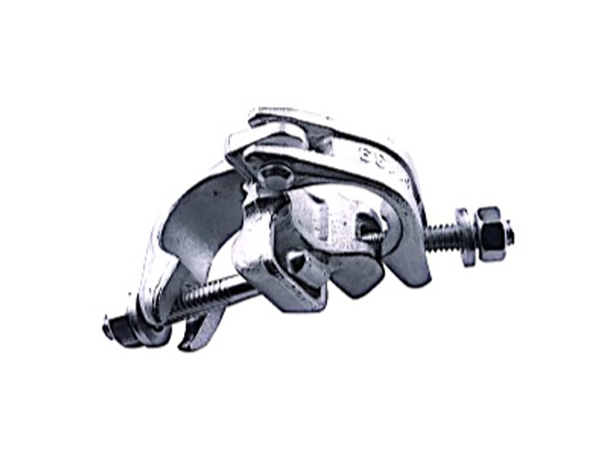
A British Type Scaffolding Coupler is a forged or pressed steel fitting used to connect scaffold tubes securely. It is commonly designed according to EN74 or BS1139 standards for international scaffolding systems.
These couplers are widely used in:
Building construction
Industrial maintenance
Shipbuilding
Bridge engineering
Their primary function is maintaining scaffold stability under vertical and lateral loads.
Manufacturing Process Differences
One major difference between forged and pressed couplers lies in the production process.
Forged British Type Scaffolding Coupler products are manufactured through high-pressure forging, which improves material density and structural strength.
Pressed couplers are formed by pressing steel plates into shape. Although production cost is lower, the mechanical strength is generally reduced compared with forged designs.
Strength and Load Capacity
Forged British Type Scaffolding Coupler systems usually offer higher load capacity and better impact resistance.
This makes forged couplers more suitable for:
Heavy-duty scaffolding
High-rise construction
Industrial projects
Long-term applications
Pressed couplers are more commonly used in lighter-duty temporary structures where cost efficiency is prioritized.
Corrosion Resistance and Surface Treatment
Surface treatment directly affects scaffolding coupler durability.
Common treatments include:
Electro galvanized coating
Hot dip galvanizing
Zinc plating
Hot dip galvanized British Type Scaffolding Coupler products generally provide superior corrosion resistance in outdoor environments.
Safety and Compliance
Safety is a critical factor in scaffolding systems. Reliable British Type Scaffolding Coupler products must comply with international standards for slip resistance, tensile strength, and structural stability.
Routine inspection is also essential to identify:
Cracks
Deformation
Bolt wear
Corrosion damage
Proper maintenance significantly improves scaffolding safety.
Conclusion
The British Type Scaffolding Coupler remains one of the most reliable scaffolding connection systems for modern construction projects. Compared with pressed couplers, forged versions provide better strength, durability, and long-term reliability.
For demanding construction environments, choosing high-quality couplers helps improve worker safety and overall project stability.
References
BS1139 Scaffolding Standards
EN74 Scaffolding Coupler Requirements
Construction scaffold safety engineering studies
Temporary structure design publications
Industrial scaffolding system research papers