








Selecting the right Steel Support supplier is one of the most consequential decisions a procurement manager or project buyer can make. A reliable partner ensures on-time delivery, consistent quality, and competitive pricing across multiple project cycles. A poor choice can lead to project delays, cost overruns, and reputational damage with your own clients. This guide walks through the key criteria every B2B buyer should evaluate before committing to a Steel Support supplier.
Why Supplier Selection Matters for Steel Support Procurement
Steel Support components are load-bearing elements used in construction, infrastructure, and industrial applications. They must meet strict engineering tolerances and safety standards. Unlike low-value consumables, a single Steel Support failure on a job site can create liability issues, halt operations, and erode client trust.
B2B buyers sourcing Steel Support products typically order in bulk across multiple projects throughout the year. This means your supplier relationship is not transactional — it is strategic. Choosing a supplier who understands your industry, communicates proactively, and scales with your demand is essential for long-term procurement efficiency.
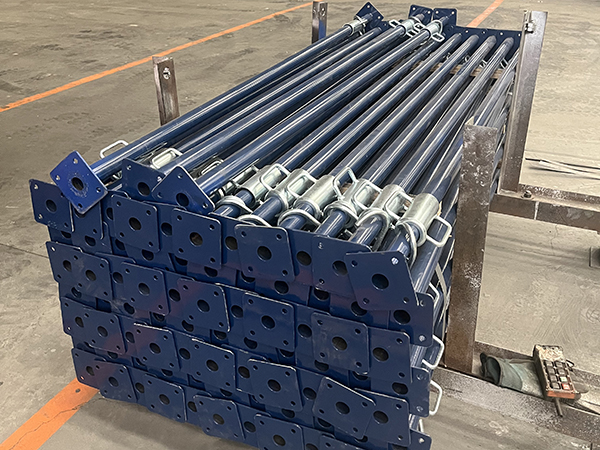
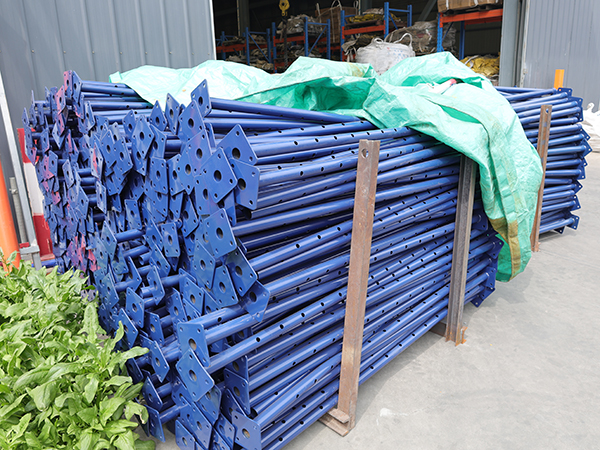
Verify Factory Capability and Certifications
Before engaging seriously with any supplier, confirm their manufacturing credentials. A credible Steel Support manufacturer should hold recognized quality management certifications such as ISO 9001, which demonstrates a documented quality system across design, production, and delivery processes.
For European and international construction markets, verify whether their Steel Support products comply with relevant standards such as BS EN 1065 or equivalent regional load-bearing benchmarks. Ask for current certificates and cross-check them with the issuing certification body's public registry. Do not rely solely on documents sent by the supplier — independent verification is a standard due-diligence step in professional B2B procurement.
Beyond certifications, conduct or commission a factory audit. An on-site or third-party audit reveals the actual scale of production, the condition of equipment, workforce competency, and the supplier's commitment to workplace safety. Visiting or auditing the facility is strongly recommended for orders above a certain value threshold, or when the supplier is new to your approved vendor list.
Evaluate Quality Control at Manufacturing Level
Quality control should be built into the manufacturing process, not applied only at final inspection. Ask prospective Steel Support suppliers about their in-process quality checks: raw material traceability, weld inspection procedures, dimensional tolerances, and load-testing protocols.
A supplier who can provide inspection reports, material test certificates (MTCs), and third-party testing results demonstrates transparency and a commitment to consistency. Ask specifically whether they perform batch testing on tensile strength, yield strength, and coating thickness for corrosion resistance. If a supplier cannot articulate their QC process, that is a significant warning sign, regardless of how competitive their pricing appears.
Assess MOQ Flexibility and Customization Capability
Minimum order quantities vary widely among Steel Support manufacturers. A supplier with rigid, high-volume MOQs may not suit buyers who need smaller batches for pilot projects or specialized custom configurations for unique site requirements.
Evaluate whether the supplier offers flexibility on MOQ for initial trial orders. More importantly, assess their capacity for customization. Can they produce non-standard lengths, custom load ratings, or specific surface treatments such as hot-dip galvanizing or powder coating? A supplier with in-house fabrication capabilities gives you greater design freedom and reduces the risk of delays caused by outsourcing secondary processes.
Questions to Ask About Customization:
Do you offer custom lengths or load capacities beyond standard catalog options?
What surface treatment options are available for corrosion protection?
Can you accommodate mixed-SKU orders in a single shipment?
Do you provide private-label or branded packaging options?
Lead Time and Delivery Reliability
Lead time is a critical procurement variable, especially when your project schedule is tied to external stakeholders and contractual milestones. Request typical lead times for standard and custom orders, and compare them against your project timelines.
A reliable Steel Support supplier should provide clear production calendars, update you proactively on order status, and have contingency plans for supply chain disruptions. Ask about their track record with on-time delivery rates over the past 12 months. Suppliers with established logistics networks and buffer stock capabilities are generally more resilient against unexpected delays.
Also consider the supplier's location and proximity to your delivery ports or job sites. Freight costs and customs clearance times can significantly affect total landed cost, even when the unit price is competitive.
Communication and Technical Support
B2B procurement is not just about price — it is about responsiveness and technical competence. A supplier who responds to inquiries within 24 hours, provides detailed quotations promptly, and assigns a dedicated point of contact demonstrates operational maturity.
Assess their ability to provide technical documentation such as CAD drawings, load charts, installation guides, and compliance declarations. Clear technical communication reduces the risk of misunderstandings that lead to incorrect orders, installation errors, or site rework.
Suppliers who actively suggest product improvements, flag potential specification mismatches, or recommend cost-saving alternatives during the inquiry phase tend to be better long-term partners than those who simply accept orders without engagement.
Red Flags to Watch For
Not all Steel Support suppliers are created equal. Watch for these warning signs during the evaluation process:
Unverifiable certifications: The supplier cannot provide original certificates or refuses third-party verification.
Vague or evasive factory information: They cannot confirm their manufacturing location or do not allow audits.
Unrealistically low pricing: Prices significantly below market rates often indicate substandard materials or corner-cutting in manufacturing.
Inconsistent communication: Long response times, missed follow-ups, or inability to provide a dedicated contact suggest poor internal management.
Lack of documentation: Reluctance to provide material certificates, test reports, or inspection documentation is a serious concern.
No clear return or warranty policy: A reputable supplier stands behind their products with a defined quality guarantee.
Frequently Asked Questions
What certifications should a Steel Support supplier hold?
At minimum, a credible Steel Support supplier should hold ISO 9001 certification. For construction applications, compliance with regional standards such as BS EN 1065 or equivalent is essential. Always verify certificates directly with the issuing body.
What is a reasonable lead time for a Steel Support order?
Lead times vary by order volume and customization requirements. Standard catalog orders typically ship within 2 to 4 weeks. Custom configurations or large-volume orders may require 6 to 8 weeks. Always confirm lead times during the quotation phase and include them in your purchase contract.
How do I verify a supplier's manufacturing capacity?
Request a factory audit — either conducted by your own team or a third-party inspection service. Review their production equipment, workforce size, annual output capacity, and quality control procedures. If an on-site audit is not feasible, ask for video calls, detailed facility documentation, and references from existing clients.
Can a Steel Support supplier handle both standard and custom orders?
Many suppliers offer standard catalog products alongside custom fabrication services. Discuss your specific requirements during the inquiry phase. Suppliers with in-house fabrication capabilities can typically accommodate custom lengths, load ratings, finishes, and connection configurations without outsourcing to third parties.
Conclusion
Choosing a reliable Steel Support supplier requires more than comparing unit prices. It demands a structured evaluation of certifications, manufacturing capability, quality control systems, customization flexibility, delivery performance, and communication quality. By conducting thorough due diligence — including factory audits, credential verification, and trial orders — B2B buyers can build a supplier portfolio that supports consistent project delivery and long-term cost efficiency. A great Steel Support supplier is not just a vendor; they are a strategic partner who contributes to your competitive advantage in the marketplace.
References
ISO 9001:2015 Quality Management Systems — International Organization for Standardization
BS EN 1065:1998 — Adjustable Steel Props — British Standards Institution
AS/NZS 4600:2018 Cold-Formed Steel Structures — Standards Australia / Standards New Zealand
EN 1090-1:2009+A1:2011 Execution of Steel Structures and Aluminium Structures — European Committee for Standardization
ANSI/AISC 360-16 Specification for Structural Steel Buildings — American Institute of Steel Construction