








When sourcing British Type Scaffolding Coupler hardware for a construction or industrial project, the difference between a safe scaffold system and a liability often comes down to one component. Couplers are the load-bearing connectors that hold scaffolding tubes together, and their quality is governed by strict standards. For procurement engineers, site managers, and industrial buyers, understanding the specifications, manufacturing differences, and verification procedures for British Type Scaffolding Coupler products is essential before signing any purchase order.
Why BS EN 74 Compliance Is Non-Negotiable
Every British Type Scaffolding Coupler imported or used in projects governed by British or international safety codes must comply with BS EN 74. This European standard specifies the mechanical performance requirements for scaffold couplers, including minimum failure loads, slip resistance, and torque values. A coupler that does not meet BS EN 74 may appear identical on the shelf but can fail under load, creating serious safety hazards and legal liability.
Under BS EN 74, right-angle couplers must withstand a minimum ultimate tensile load of 50 kN in the plane of the fitting and 25 kN perpendicular to that plane. Swivel couplers must support at least 25 kN in both directions. These are not optional figures; they define the boundary between a coupler that can be specified for commercial use and one that cannot. Buyers should always request test certificates or third-party inspection reports confirming BS EN 74 compliance from their supplier before proceeding with an order.
Drop Forged vs. Pressed Coupler Manufacturing
The manufacturing process behind a British Type Scaffolding Coupler has a direct and measurable impact on its strength, ductility, and fatigue resistance. The two dominant manufacturing methods are drop forging and pressing (pressing steel plate into shape).
Drop forged couplers are produced by heating steel to forging temperature and shaping it under high-impact force. This process aligns the grain structure of the steel along the contour of the part, producing a coupler with superior tensile strength and impact resistance. Drop forged British Type Scaffolding Coupler fittings are the preferred choice for primary structural connections on demanding sites.
Pressed couplers are formed from flat steel plate through stamping or pressing. While they can meet BS EN 74 minimum requirements, their mechanical properties are generally lower than forged equivalents. Pressed couplers are more suitable for secondary applications where load demands are modest. Procurement teams should specify drop forged couplers for any structural or load-critical connection and verify the manufacturing method in the product datasheet or factory quality documentation.
Galvanization Thickness and Corrosion Resistance
Scaffolding systems are routinely exposed to outdoor environments, moisture, and construction-site chemicals. A British Type Scaffolding Coupler without adequate corrosion protection will deteriorate rapidly, compromising the integrity of the entire scaffold structure over time. Hot-dip galvanization is the industry-standard surface treatment, providing a zinc coating that acts as a sacrificial anode protecting the underlying steel.
BS EN 74 does not prescribe a specific galvanization thickness, but good industrial practice calls for a minimum zinc coating of 45 microns (approximately 305 g/m²) for components used in moderate outdoor exposure. For coastal or chemically aggressive environments, buyers should specify thicker galvanization or supplementary protective coatings. Visual inspection alone is insufficient: request mill test certificates or coating thickness reports confirming the zinc weight per square meter. A reputable supplier of British Type Scaffolding Coupler hardware will provide this documentation as standard.
Slip Resistance and Load Capacity Values
Slip resistance is one of the most critical performance parameters for any British Type Scaffolding Coupler. When a scaffold tube passes through a coupler, the clamping force must be sufficient to prevent relative movement under load. BS EN 74 requires that a right-angle coupler maintain a minimum slip resistance of 6.5 kN under standard test conditions. Swivel couplers must meet the same threshold.
Procurement engineers should pay particular attention to the specified slip test value in the supplier's technical datasheet. Some manufacturers publish values well above the BS EN 74 minimum, which provides an additional safety margin. A coupler with a slip resistance of 12 kN or higher offers substantially better performance in real-world conditions where dynamic loads, wind loading, and imperfect tube alignment are common. Always cross-reference the published slip value against the standard's test protocol to ensure the figures are comparable.
Right-Angle, Swivel, and Putlog Coupler Selection
The three primary coupler types within the British Type Scaffolding Coupler family serve distinct structural functions. Selecting the wrong type for a given application is a common and costly error in scaffold specification.
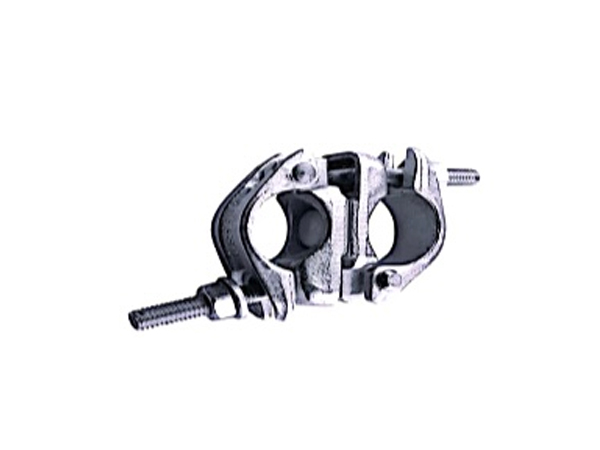
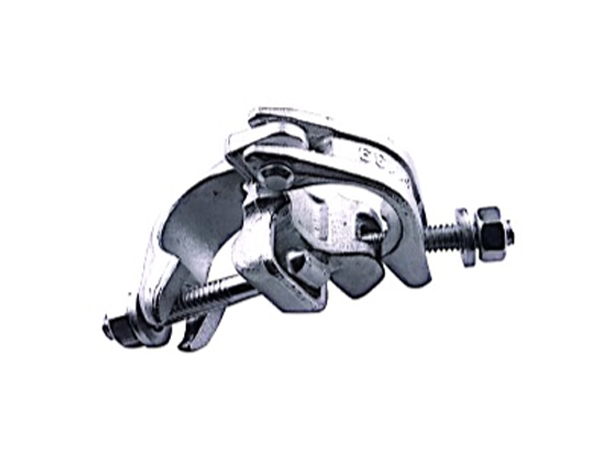
Right-angle couplers join two tubes at a 90-degree angle. They are the most widely used coupler type in scaffold construction and are the primary load-bearing connectors in system and tube-and-clamp scaffolds. Verify that the coupler's BS EN 74 classification matches your structural design requirements.
Swivel couplers connect two tubes at any angle, making them essential for angular connections, diagonal bracing, and situations where tube alignment is not perfectly orthogonal. They carry lower load ratings than right-angle couplers and should not be substituted without engineering confirmation.
Putlog couplers (also called single couplers) attach scaffold boards or transoms to ledger tubes. They are designed for a different load profile and must not be confused with right-angle couplers for structural connections.
Verifying Coupler Quality Before Placing an Order
A reliable British Type Scaffolding Coupler supplier should be able to provide, at minimum: a valid BS EN 74 test report from an accredited third-party laboratory, a material certificate (typically EN 10204 3.1) confirming the steel grade, galvanization thickness verification, and a written quality management statement such as ISO 9001 certification. Absence of any of these documents is a serious red flag.
For larger orders, arrange an independent pre-shipment inspection. Organizations such as SGS, Bureau Veritas, or Intertek can conduct mechanical testing and dimensional checks on samples drawn from the production batch. This step is particularly important when sourcing from new suppliers or when the British Type Scaffolding Coupler product is being manufactured to a custom specification. The cost of pre-shipment inspection is a fraction of the cost of a failed component on site.
Pricing Factors and Minimum Order Quantities
British Type Scaffolding Coupler pricing is influenced by several variables that procurement teams should evaluate holistically rather than selecting solely on unit price. Steel market prices fluctuate and directly affect coupler manufacturing costs. The manufacturing method matters: drop forged couplers typically command a 20 to 40 percent premium over pressed equivalents due to higher material and production costs. Galvanization specification and coating thickness add cost, but this is a worthwhile investment for durability in harsh environments.
Minimum order quantities vary by supplier. Standard industrial MOQs for British Type Scaffolding Coupler hardware typically range from 500 to 2,000 pieces per type, depending on the supplier's production setup and whether the order involves standard catalog items or custom specifications. Buyers planning multi-project procurement programs should negotiate volume pricing tiers and clarify lead times upfront, as production scheduling can add four to eight weeks to delivery for large orders with custom galvanization or marking requirements.
Frequently Asked Questions
What steel grade is used in BS EN 74 compliant couplers?
BS EN 74 does not mandate a specific steel grade, but industrial British Type Scaffolding Coupler manufacturers typically use carbon steel with a minimum tensile strength of 370 N/mm². Common grades include Q235B or S235JR equivalent. The material certificate should confirm the actual grade and its mechanical properties.
How do I verify galvanization quality on a coupler?
Request the zinc coating weight in grams per square meter (g/m²) from the supplier. A minimum of 305 g/m² corresponds to approximately 45 microns thickness and is suitable for most outdoor applications. Third-party coating thickness tests using magnetic induction gauges provide on-site verification.
Can pressed couplers be used in place of drop forged couplers?
Pressed couplers that meet BS EN 74 minimum load requirements can be used in non-structural applications, but they should not replace drop forged couplers in primary structural connections. Always confirm with your structural engineer before substituting one manufacturing type for another.
What documentation should a supplier provide with a coupler order?
At minimum: BS EN 74 third-party test report, EN 10204 material certificate, galvanization specification and test report, and ISO 9001 or equivalent quality management certificate. For critical projects, include a pre-shipment inspection report from an accredited inspection body.
Conclusion
Sourcing British Type Scaffolding Coupler hardware demands more than comparing unit prices. Procurement engineers and site managers who understand BS EN 74 requirements, distinguish between drop forged and pressed manufacturing, specify appropriate galvanization, verify slip resistance values, and require complete documentation from suppliers will consistently secure safer, more reliable scaffold systems. The upfront investment in thorough supplier evaluation and quality verification protects both worker safety and project economics over the full lifecycle of the scaffold.
References
BS EN 74-1: Couplers for Scaffolding — Part 1: Tube and Putlog Couplers — Requirements and Test Procedures, British Standards Institution.
EN 10204:2004, Metallic Products — Types of Inspection Documents, European Committee for Standardization.
NASC TG9: Technical Guidance on the Use of Scaffolding Couplers, National Access and Scaffolding Confederation.
HSE HSG 150: Health and Safety in Construction, Health and Safety Executive, UK Government.
ISO 1461:2022, Hot Dip Galvanized Coatings on Fabricated Iron and Steel Articles — Specifications and Test Methods, International Organization for Standardization.