








Steel Support Types for Modern Construction
Steel Support systems are essential components in modern construction projects. From high-rise buildings to bridge engineering and industrial facilities, steel supports provide temporary or permanent load-bearing assistance that improves structural safety and construction efficiency.
Compared with traditional timber systems, modern Steel Support products offer higher strength, better durability, and improved load capacity. Their adaptability also makes them suitable for a wide range of construction environments.
What Is Steel Support?
A Steel Support is a structural component designed to bear vertical or horizontal loads during construction activities. These systems are commonly used for slab formwork, beam reinforcement, tunnel construction, and temporary structural stabilization.
Steel supports are generally manufactured from high-strength carbon steel or galvanized steel to ensure durability under heavy loads and harsh jobsite conditions.

Why Steel Support Matters in Construction
Construction projects often involve heavy concrete loads, dynamic pressure, and unstable working environments. A reliable Steel Support system helps maintain structural stability during pouring, curing, and assembly stages.
Modern contractors prefer steel support systems because they provide:
Higher load-bearing capacity
Better dimensional stability
Improved reusability
Faster installation efficiency
Enhanced worker safety
These advantages help reduce project downtime and improve construction quality.
Adjustable Steel Support Systems
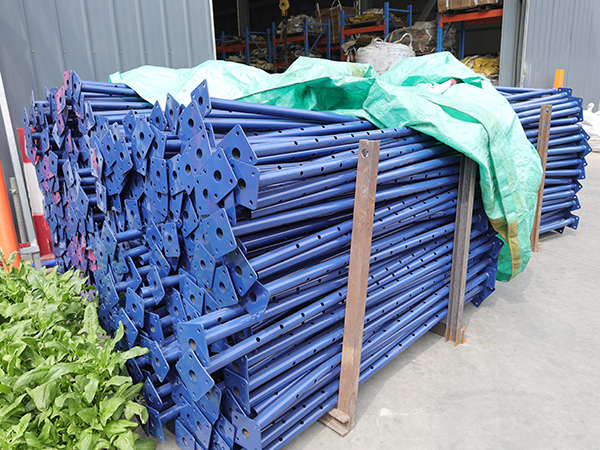
Adjustable props are one of the most widely used Steel Support solutions in construction. They typically consist of an inner tube, outer tube, base plate, and threaded adjustment mechanism.
The adjustable design allows workers to modify support height quickly based on project requirements. This flexibility makes adjustable supports highly suitable for:
Concrete slab support
Beam formwork
Temporary floor stabilization
Residential construction projects
Hot-dip galvanized surfaces also improve corrosion resistance and extend product lifespan.
Heavy-Duty Shoring Support
Large-scale infrastructure projects often require heavy-duty Steel Support systems capable of handling extremely high vertical loads.
Shoring towers and reinforced support frames are commonly used in:
Bridge construction
Tunnel engineering
Industrial plants
High-rise commercial buildings
These support systems are engineered to maintain structural integrity during large concrete pours and heavy equipment operation.
Steel Support for Concrete Slabs
Concrete slab construction requires stable temporary support to prevent deformation during curing. A properly designed Steel Support layout distributes load evenly and reduces structural stress concentration.
Modern slab support systems often combine adjustable steel props with beam support structures to improve stability and construction efficiency.
Accurate support spacing and load calculation are critical for maintaining jobsite safety and preventing formwork collapse.
Galvanized Steel Support Advantages
Galvanized Steel Support products are increasingly popular because they provide superior corrosion resistance in outdoor construction environments.
The zinc coating protects the steel surface from moisture, oxidation, and chemical exposure. Galvanized supports also require less maintenance compared with painted or untreated steel products.
This longer service life improves long-term cost efficiency for contractors handling repeated construction cycles.
Load Capacity and Safety Considerations
The performance of a Steel Support system depends heavily on load calculation, material strength, and installation quality.
Important safety factors include:
Maximum load capacity
Support spacing
Base stability
Vertical alignment
Locking mechanism reliability
Regular inspection is also necessary to identify deformation, corrosion, or mechanical damage before structural failure occurs.
Choosing the Right Steel Support
Selecting the proper Steel Support depends on project size, load requirements, environmental conditions, and construction methods.
Contractors should evaluate:
Working height
Load-bearing requirements
Surface treatment
Material thickness
Compliance with safety standards
Working with experienced manufacturers helps ensure consistent product quality and reliable engineering support.
Conclusion
Modern Steel Support systems play a vital role in improving construction safety, efficiency, and structural reliability. Whether used for slab formwork, bridge engineering, or industrial projects, steel support solutions provide superior durability and load-bearing performance compared with traditional alternatives.
As construction technology continues advancing, high-quality Steel Support products will remain essential for safe and efficient project execution.
References
Chudley, R. Construction Technology
Peurifoy, R. Construction Planning, Equipment, and Methods
EN 1065 Adjustable Steel Props Standards
Temporary works engineering studies in construction
Structural shoring system research publications